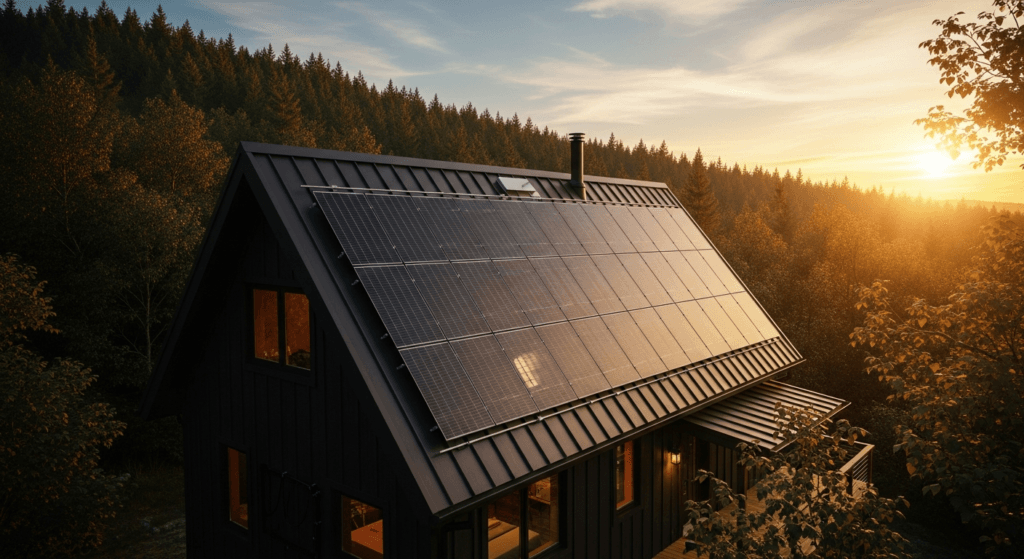
portable power: The Ultimate Guide to Off-Grid Energy & Power Stations
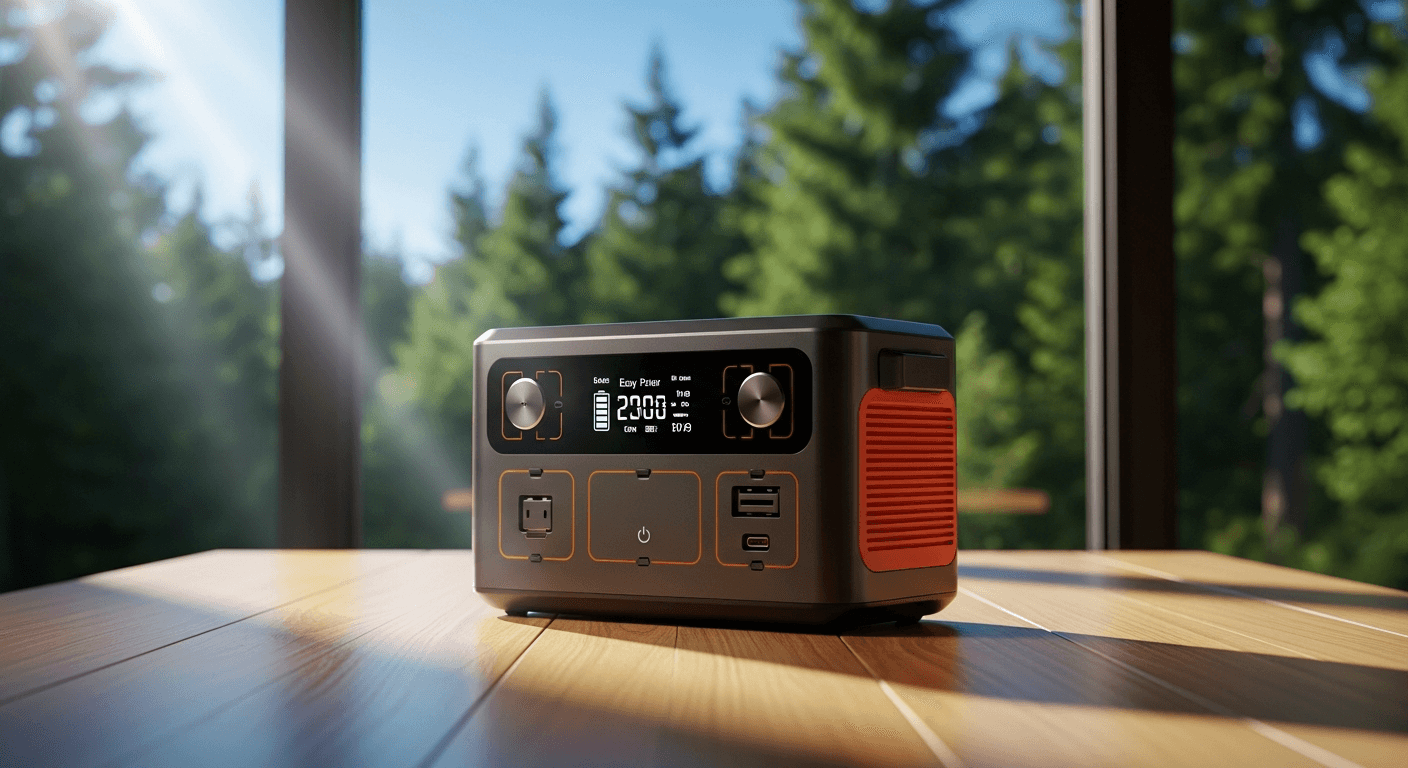
Strategic Overview: The 2026 Portable Power Paradigm
As we advance into 2026, the concept of “portable power” has fundamentally evolved. It has transcended its origins as a niche for outdoor enthusiasts and is now a cornerstone of energy resilience for homeowners, a critical asset for field professionals, and a key enabler of the digital nomad lifestyle. This shift is driven by a confluence of technological maturation, climate-induced grid instability, and the decentralization of our energy infrastructure. The market is no longer defined by simple battery packs but by sophisticated, modular ecosystems.
The primary driver of this revolution is the maturation of Lithium Iron Phosphate (LiFePO4) battery chemistry, which has become the de facto standard for safety, longevity, and thermal stability. Coupled with advancements in bidirectional inverter technology, these power stations are not just passive storage units; they are active participants in energy management. Many now integrate seamlessly with home electrical panels, offering uninterruptible power supply (UPS) functionality with switchover times measured in milliseconds.
s
Furthermore, the efficiency of portable photovoltaic (PV) panels has broken the 24% barrier for consumer-grade monocrystalline silicon. Innovations in cell-to-pack (CTP) construction, borrowed from the electric vehicle sector, are reducing weight and increasing volumetric energy density. By 2026, we are witnessing the convergence of portable power, home energy storage, and electric vehicle charging, creating a unified ecosystem where energy is fluid, intelligent, and accessible anywhere, anytime.
Deep Technical Analysis: The Engineering of Off-Grid Energy
The Physics of Energy Conversion: From Photon to Appliance
At its core, a portable solar generator system is a multi-stage energy conversion apparatus. The process begins at the photovoltaic panel. When photons from sunlight strike the N-type silicon layer of a PV cell, they impart enough energy to dislodge electrons, creating electron-hole pairs. An intrinsic electric field within the P-N junction then forces these free electrons to flow, generating a direct current (DC).
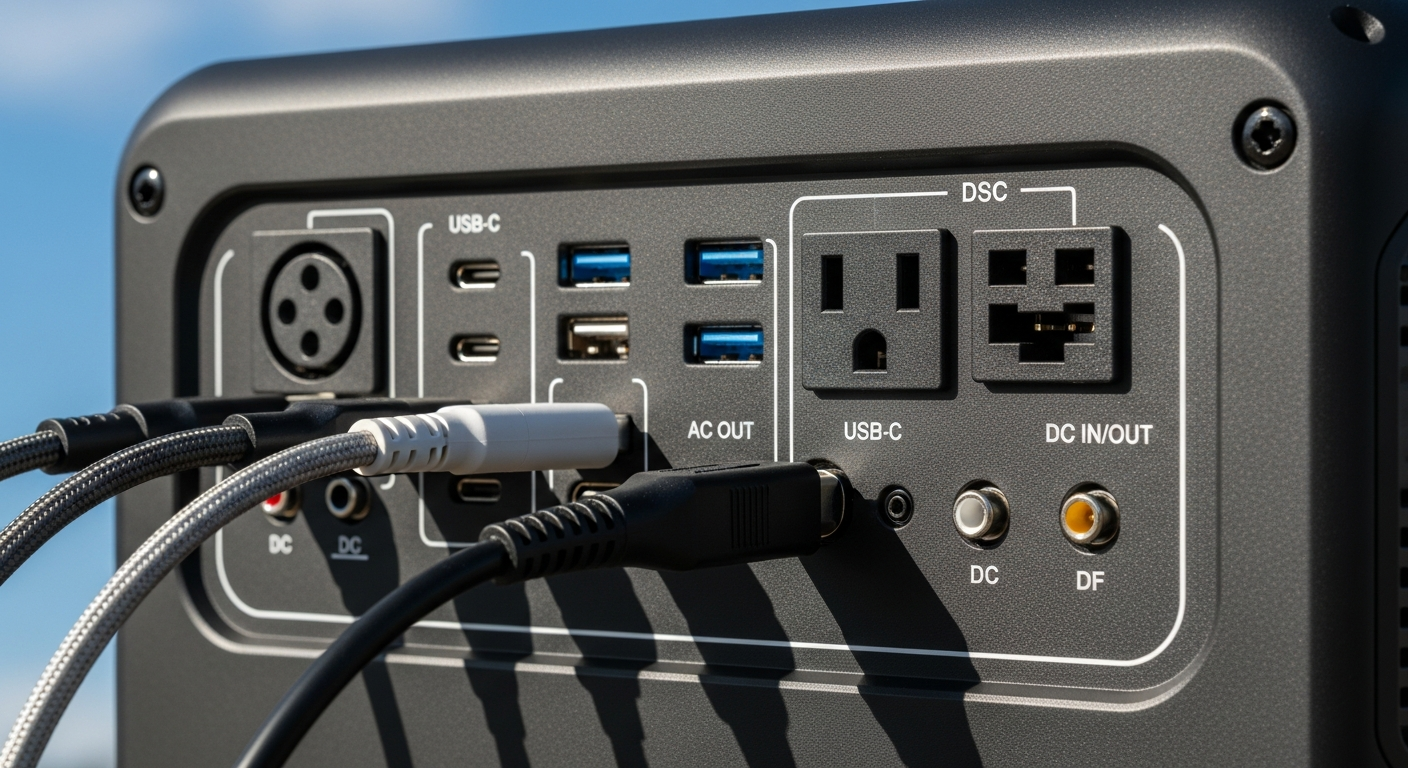
This DC electricity is then routed to a charge controller, a critical component whose primary function is to optimize the charging of the battery. Modern systems exclusively use Maximum Power Point Tracking (MPPT) controllers. An MPPT controller continuously analyzes the voltage and current from the PV array (the I-V curve) to find the optimal operating point—the “maximum power point”—that extracts the absolute maximum wattage from the panels under any given condition of sunlight and temperature.
The energy is stored in the battery as chemical potential energy. For LiFePO4 chemistry, this involves the intercalation of lithium ions into the graphite anode during charging and their migration to the iron-phosphate cathode during discharge. The Battery Management System (BMS) is the brain of this operation, meticulously monitoring cell voltage, temperature, and current to prevent thermal runaway, overcharging, or deep discharging, thereby ensuring both safety and a cycle life exceeding 3,500-6,000 cycles.
Finally, to power common household appliances, the stored DC energy must be converted to alternating current (AC). This is the role of the inverter. A Pure Sine Wave inverter is non-negotiable for any serious system in 2026. It uses sophisticated pulse-width modulation (PWM) and high-frequency switching to create a smooth, clean AC waveform identical to grid power, ensuring compatibility and safety for sensitive electronics like laptops, medical devices, and variable-speed motors.
2026 Efficiency Benchmarks and Component Performance
System efficiency is a product of the efficiencies of its individual components. A holistic analysis must account for losses at every stage. In 2026, top-tier components exhibit the following performance benchmarks:
- Photovoltaic Panels: Premium monocrystalline silicon panels with Passivated Emitter and Rear Cell (PERC) and Heterojunction (HJT) technology now consistently achieve 23-25% conversion efficiency. Voltage drop over long cable runs (e.g., from a rooftop panel to a power station indoors) must be calculated and mitigated by using appropriately gauged wire (e.g., 10 AWG or lower) to minimize resistive losses (P = I²R).
- MPPT Charge Controllers: Leading MPPT controllers demonstrate conversion efficiencies of 99% or higher. Their ability to dynamically adjust to the panel’s optimal voltage is a significant advantage over older PWM technology, often yielding 15-30% more energy harvest over a day.
- Battery Round-Trip Efficiency: LiFePO4 batteries boast a round-trip efficiency of approximately 92-95%. This means for every 100 watt-hours of energy put into the battery, 92 to 95 watt-hours can be retrieved. This far surpasses the ~85% efficiency of older lead-acid chemistries.
- Inverter Efficiency: Pure Sine Wave inverters typically operate at 90-94% efficiency under optimal load. It is critical to also consider the inverter’s idle or “tare” power consumption, which can be a constant drain of 5-20 watts, impacting the net usable energy over long periods.
Load Calculation and System Sizing Strategy
Properly sizing a portable power system is the most critical step for ensuring reliable performance. The fundamental unit of measure is the Watt-hour (Wh), which represents energy consumption. To calculate your needs, you must audit your appliances.
First, determine the continuous power draw (in Watts) and the daily run time (in Hours) for each device. The formula is: Energy (Wh) = Power (W) x Time (h). For example, a 60W refrigerator compressor running for 8 hours a day consumes 60W x 8h = 480Wh. Sum the Wh for all devices to get your total daily energy requirement.
Second, account for surge power, also known as inrush current or Locked Rotor Amps (LRA). Devices with motors (refrigerators, pumps, power tools) draw a large burst of power for a few seconds upon startup. Your inverter’s surge rating must exceed the highest surge demand of any single appliance. A power station with a 2000W continuous output might have a 4000W surge rating.
Finally, size your PV array. The array’s output is dependent on its wattage and the “peak sun hours” for your geographic location, which is the number of hours per day that the sun’s intensity equals 1000W/m². A 400W solar array in a location with 4 peak sun hours will theoretically generate 400W x 4h = 1600Wh (1.6 kWh) per day. Always oversize your array by at least 25% to account for cloudy days, panel soiling, and other real-world inefficiencies.
Engineering Specifications & Innovations in 2026
The competitive landscape of portable power is fiercely driven by engineering innovation. Leading manufacturers differentiate themselves not just on capacity, but on the intelligence, modularity, and underlying technology of their systems.
EcoFlow continues to lead with its expandable ecosystem and rapid charging technology. The DELTA Pro series, with its expandable battery architecture, allows users to scale capacity from a base of ~3.6 kWh up to 25 kWh. Their proprietary X-Stream charging technology, leveraging custom BMS algorithms and bidirectional inverter hardware, allows for AC charging from 0-80% in under an hour without requiring a bulky external power brick—a significant engineering feat.
Bluetti has made significant strides in battery chemistry, pioneering the use of Sodium-ion (Na-ion) batteries in some of their 2026 models. While offering slightly lower energy density than LiFePO4, Na-ion cells provide superior cold-weather performance, exceptional safety, and are built from more abundant, sustainable materials. Their AC500 series remains a benchmark for modularity, allowing users to stack battery packs (like the B300S) to achieve massive capacities tailored to their needs.
Victron Energy represents the pinnacle of custom, professional-grade systems. While not a “plug-and-play” solution, their components like the MultiPlus-II inverter/charger, SmartSolar MPPT charge controllers, and Cerbo GX system controller offer unparalleled control and robustness. Engineers and advanced DIYers favor Victron for building bespoke systems that can be monitored and controlled remotely via the Victron Remote Management (VRM) portal, providing deep system analytics.
Beyond established brands, the most exciting material science development is the commercial viability of Perovskite Solar Cells. By 2026, we are seeing the first flexible, lightweight, and highly efficient portable panels using Perovskite-on-Silicon tandem cells. These panels can achieve efficiencies approaching 30% in lab settings, and consumer versions are now hitting the 26-27% mark. Their light weight and flexibility make them ideal for backpacking and rapid deployment scenarios, though long-term durability remains a key area of ongoing research.
Technical Comparison Table: 2026 Top Portable Power Stations
| Model (2026) | Capacity (Wh) | Output (W, Continuous/Surge) | Battery Chemistry | Cycle Life (to 80%) | Max PV Input (W / Voc) | Key Feature |
|---|---|---|---|---|---|---|
| EcoFlow DELTA Pro 2 | 4,100 Wh (expandable to 27 kWh) | 4,000W / 7,500W | LiFePO4 | 6,500+ | 2,400W / 150V | X-Stream Fast Charging & EV Station Charging |
| Bluetti AC600 Max | 5,120 Wh (via 2x B301S packs) | 5,000W / 10,000W | LiFePO4 | 3,500+ | 3,000W / 150V | Fully modular design, dual MPPT controllers |
| Victron Custom Kit (Example) | 5,120 Wh (configurable) | 3,000W / 6,000W (MultiPlus-II) | LiFePO4 (various) | Varies by battery | Unlimited (scalable controllers) | Unmatched customization and remote monitoring |
| Jackery Explorer 4000 Pro | 4,088 Wh | 3,000W / 6,000W | LiFePO4 | 4,000+ | 2,000W / 145V | Integrated trolley design, rapid solar charging |
| SolarKiit ProGen 4K | 3,840 Wh | 3,600W / 7,200W | Sodium-ion (Na-ion) | 5,000+ | 1,800W / 150V | Superior cold-weather performance (-20°C) |
Safety Protocols & Regulatory Standards
As portable power systems grow in capacity and complexity, adherence to safety standards is paramount. An engineering-first approach demands rigorous attention to electrical, chemical, and fire safety protocols. These are not just recommendations; they are necessities for protecting both the user and the equipment.
From an electrical standpoint, even “portable” systems must respect the principles outlined in the National Electrical Code (NEC). Article 690 (Solar Photovoltaic Systems) provides guidance on wiring, overcurrent protection (fuses/breakers), and grounding. When a portable system is used to back-feed a home panel via an inlet box, Article 705 (Interconnected Power Production Sources) becomes critical, requiring a proper transfer switch to prevent dangerous back-feeding of the utility grid.
Environmental protection is quantified by Ingress Protection (IP) ratings. A rating of IP65 on a solar panel or connector indicates it is dust-tight and can withstand low-pressure water jets, making it suitable for outdoor use. A higher rating of IP67, often found on premium power stations, means the unit is dust-tight and can be submerged in up to 1 meter of water for 30 minutes, offering superior durability in harsh field conditions.
Fire safety is intrinsically linked to battery chemistry and the BMS. The adoption of LiFePO4 chemistry was a major safety milestone, as its phosphate-cathode structure is far more thermally stable and less prone to thermal runaway than the Cobalt Oxide (NMC/NCA) chemistries used in many older designs. The BMS acts as the final line of defense, employing multiple sensors to monitor cell temperature and voltage, and will automatically disconnect the battery if it detects a dangerous condition like an internal short or excessive heat.
Pre-Installation Operational Checklist
- Verify Load Compatibility: Sum the continuous wattage of all devices you plan to run simultaneously. Ensure this total is below the inverter’s continuous output rating. Identify the device with the highest startup surge and confirm it is below the inverter’s surge rating.
- Inspect PV Panel Specifications: Locate the Open-Circuit Voltage (Voc) on the back of your solar panel(s). Ensure this value (or the sum of Voc for panels in series) is below the maximum PV input voltage of your power station’s charge controller to prevent permanent damage.
- Calculate Cable Gauge and Length: For any PV extension cables, use a voltage drop calculator to select the appropriate wire gauge (AWG). A voltage drop of more than 3% will result in significant power loss. Thicker wire (lower AWG number) is required for longer distances and higher currents.
- Check Component Integrity: Before connecting anything, visually inspect all components. Check for cracked solar panel glass, frayed or damaged cables, and bent connector pins (e.g., MC4, Anderson). Ensure the power station’s vents are clear of obstructions.
- Plan for Ventilation: The power station’s inverter and charge controller generate heat during operation. Ensure the unit is placed in a location with adequate airflow and is not operated inside a sealed container or covered with blankets.
- Confirm Grounding Requirements: Review the manufacturer’s manual regarding grounding. Some units have a floating neutral and may require bonding to a grounding rod for certain applications, especially when integrated with a home or vehicle electrical system.
- Perform an Initial Charge Cycle: Before first field use, fully charge the power station from an AC wall outlet. This allows the BMS to calibrate and balance the battery cells, ensuring accurate capacity readings and optimal long-term performance.
Advanced Engineering FAQ
What is the impact of connecting solar panels with mismatched specifications in series or parallel?
Connecting mismatched panels is strongly discouraged as it cripples system performance. When in series, the total current is limited by the panel with the lowest current (Amps). When in parallel, the total voltage is limited by the panel with the lowest voltage. In either scenario, the higher-performing panels are dragged down, and the total output will be significantly less than the sum of their individual potential. Always use identical panels for a multi-panel array.
How does the inverter’s idle power consumption affect usable battery capacity in a real-world scenario?
Idle (or parasitic) power draw is a critical, often overlooked metric. An inverter that consumes 15 watts while idle, even with no load, will drain 360Wh (15W x 24h) from your battery every day. For a 1000Wh power station, this represents over a third of its capacity lost to simply being “on”. For true off-grid longevity, it is crucial to turn the inverter off completely when not in use or choose a model with an ultra-low-power standby mode.
Can I use my portable power station as a formal UPS for sensitive electronics like a server?
It depends on the unit’s switchover time. A true online UPS has zero switchover time. Most high-end portable power stations in 2026 offer a “pass-through” or “EPS” (Emergency Power Supply) mode with a switchover time of 15-30 milliseconds. While this is fast enough for most computers and appliances, it may not be fast enough for highly sensitive servers or medical equipment, which could reboot. Check the manufacturer’s specifications for the precise switchover time before relying on it for mission-critical applications.
Why is the maximum solar input (Voc) of a charge controller such a critical safety limit?
The Open-Circuit Voltage (Voc) of a solar panel is its maximum voltage when no current is being drawn (i.e., disconnected). This voltage increases significantly in cold temperatures. If the Voc of your solar array, adjusted for cold conditions, exceeds the charge controller’s maximum input voltage, it can cause immediate and irreversible damage to the controller’s electronics. This is one of the most common and costly mistakes in DIY solar setups.
What are the technical trade-offs between an all-in-one power station and a modular component system from a brand like Victron?
All-in-one stations (EcoFlow, Bluetti) offer simplicity, portability, and excellent integration. However, they are a “black box”; if one component fails (e.g., the inverter), the entire unit is often inoperable. A modular Victron system offers superior robustness, repairability, and customization. You can oversize individual components (e.g., the charge controller for a larger future array) and replace or upgrade single parts. The trade-off is significantly higher complexity, cost, and a lack of “plug-and-play” portability.

El Kouriani Abde Civil Engineer & Founder of SolarKiit
El Kouriani Abde is a seasoned Civil Engineer and Project Manager with over 21 years of field experience. As the founder and publisher of SolarKiit.com, he leverages his deep technical background to simplify complex renewable energy concepts. His mission is to provide homeowners and professionals with accurate, engineering-grade guides to maximize their solar investments and achieve energy independence.